
Saturday November 8th
4:45pm - 5:30pm
Arts Court
Black Block Studio
A free screening of local films
The Ottawa Gaze :
Our Communities, Our Creations, Our Stories
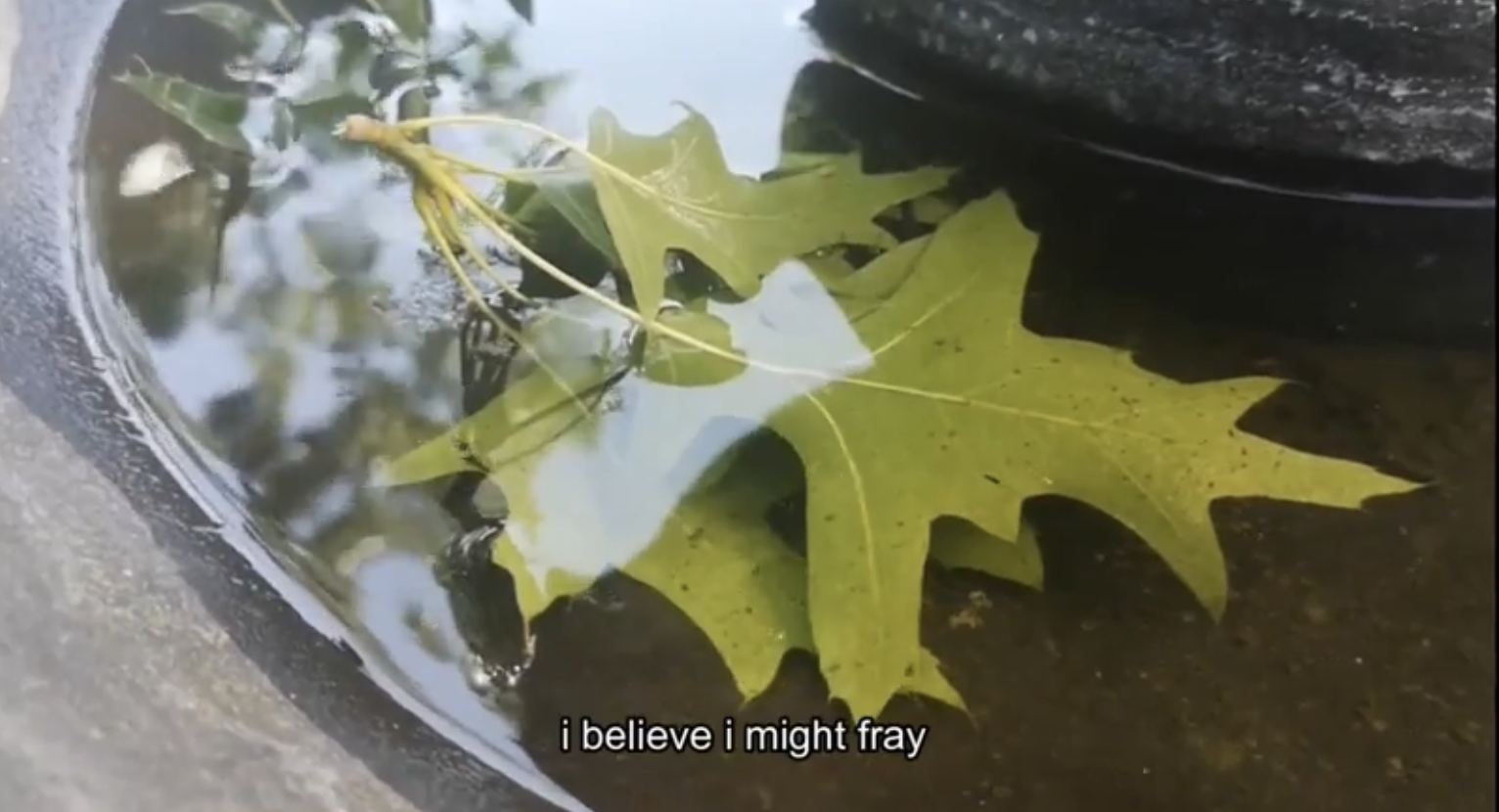
sway (2020)
3 mins (Ottawa)
A sequel to the pandemic-themed reflection "still", "sway" explores the seductive—and destructive—pull of fear. 3 mins
Created By Nathan Hauch
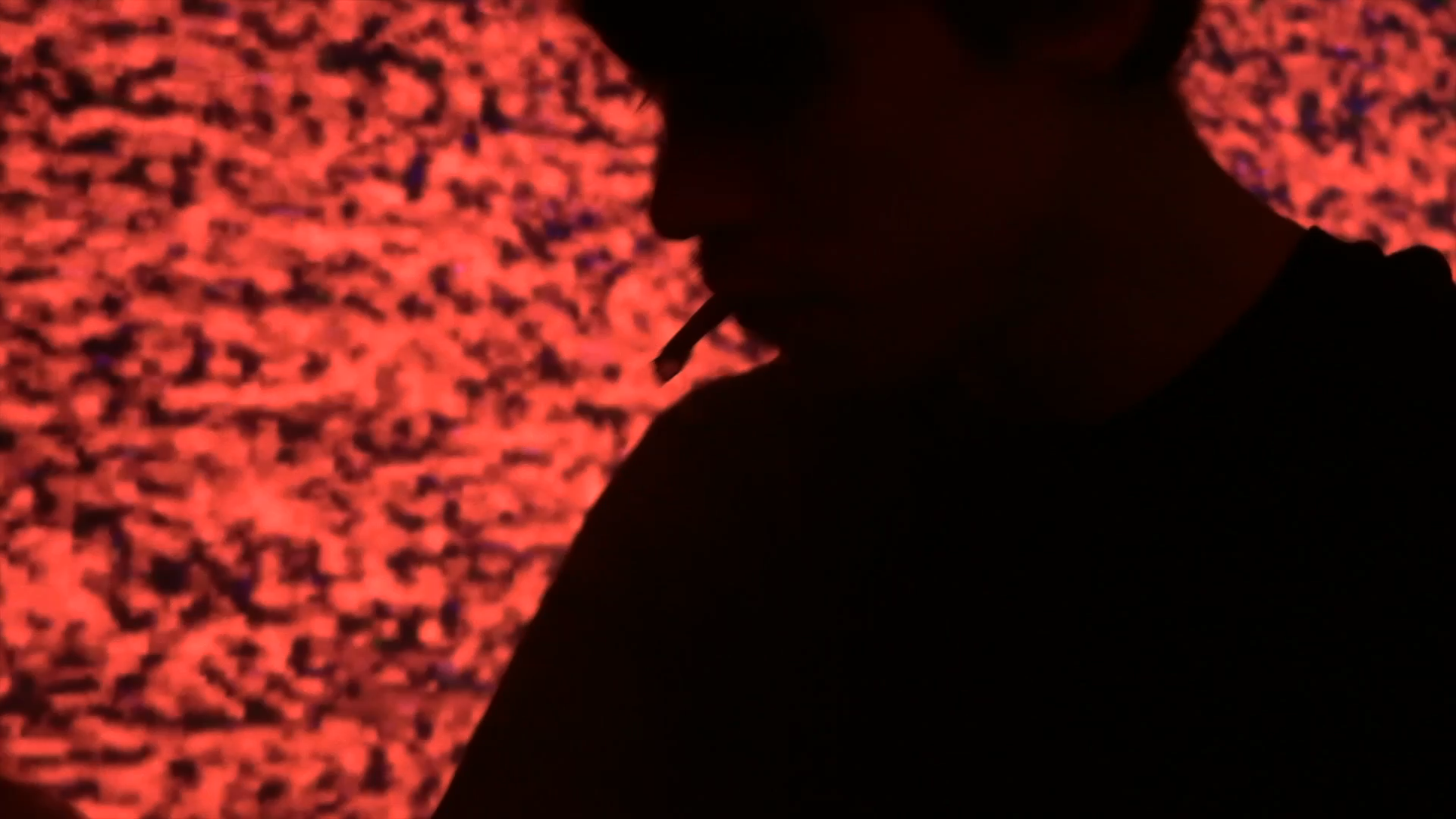
SUPERCOOL (2025)
8 mins (Ottawa)
Actors - Glenys Marshall , Cory Chénier
Searching for belonging, dreaming of control. Follow two drifters seemingly floating through noisy worlds and destined for a slow crash into each other. SUPERCOOL is a silent dream reminding you that attitude is the loudest sound.
Directed by Raja Rahal
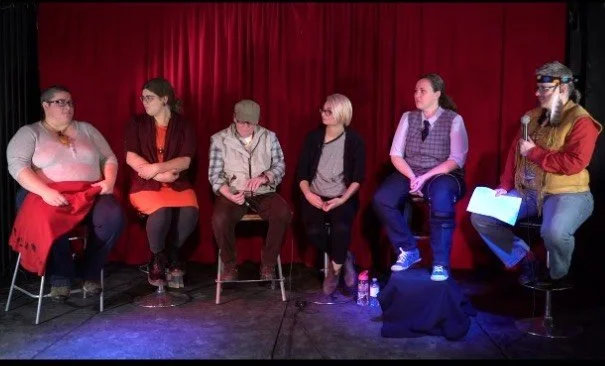
1 Contrary 5 Agokwe-Nini ( 35 mins)
Director - Writer:
Howard Adler & Carmel Whittle
1 ‘contrary’ Alik Beavers (aka Sharp Dopler),
5 Agokwe-nini guest speakers:
Ashley Grenstone,
Benny Michaud,
Theo Paradis
Kole Peplinski
Carmel Whittle.
FILM DESCRIPTION
The film “1 Contrary 5 Agokwe-Nini” is a talk-show style documentary film hosted by the one and only ‘contrary’ Alik Beavers (aka Sharp Dopler), and features 5 Agokwe-nini guest speakers: Ashley Grenstone, Benny Michaud, Theo Paradise-Ottawa, Kole Peplinski and Carmel Whittle. They discuss gender, sexuality, Indigenous identity, traditional two-spirit roles, terminology, accessing ceremonial spaces, and safe spaces in mainstream society.
In Anishinaabemowin (the Ojibwe language), the world is structured around the animacy of the universe - animate/inanimate, or in simpler terms living/dead - it is not structured around gender - masculine/feminine, him/her - such as many European languages. Thus in the Ojibwe worldview, it can be said that we’re less concerned with one's gender and more focused on living a good life. In Anishinaabemowin, there are words that were traditionally used to describe people who chose to dress and live as a woman or a man, regardless of the gender they were born into. They took on the gender-roles they felt most comfortable in and this was normal and socially accepted in traditional Anishinaabeg communities. If someone was assigned female at birth, but later in life chose to take on the gender-roles of a man, they were called Agokwe-Nini, which literally translates as ‘wise-woman-man’. Another word is Ogichidaakwe (Warrior woman), which was also used to describe someone that was born female but chose to take on the gender-roles of a man.
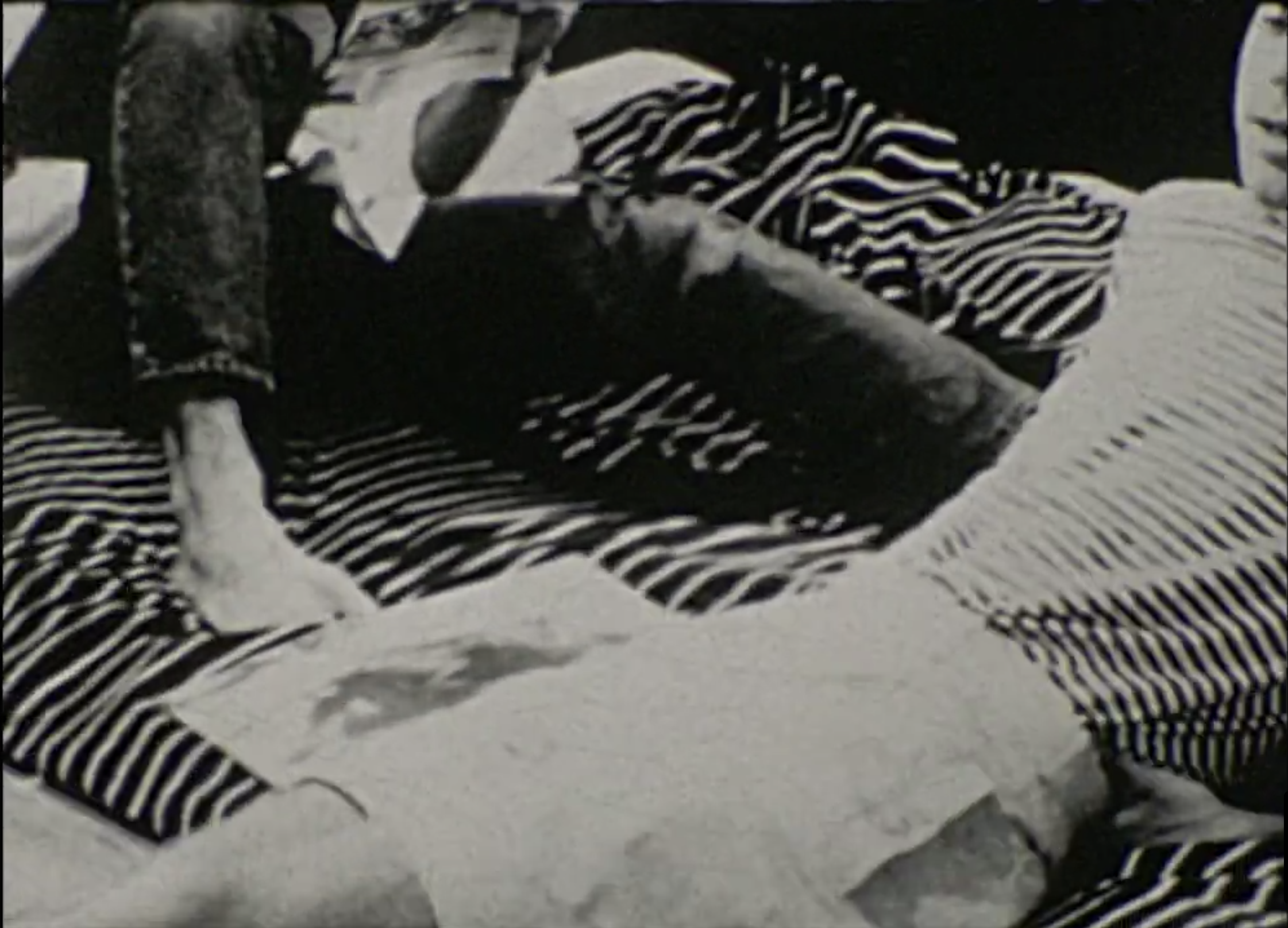
My Boyfriends (1990s?)
3 mins. ( Ottawa)
My Boyfriends
1990s
Director : Allen Brown
3 minutes - Canada
Ottawa
Digital transfer made on Super 8
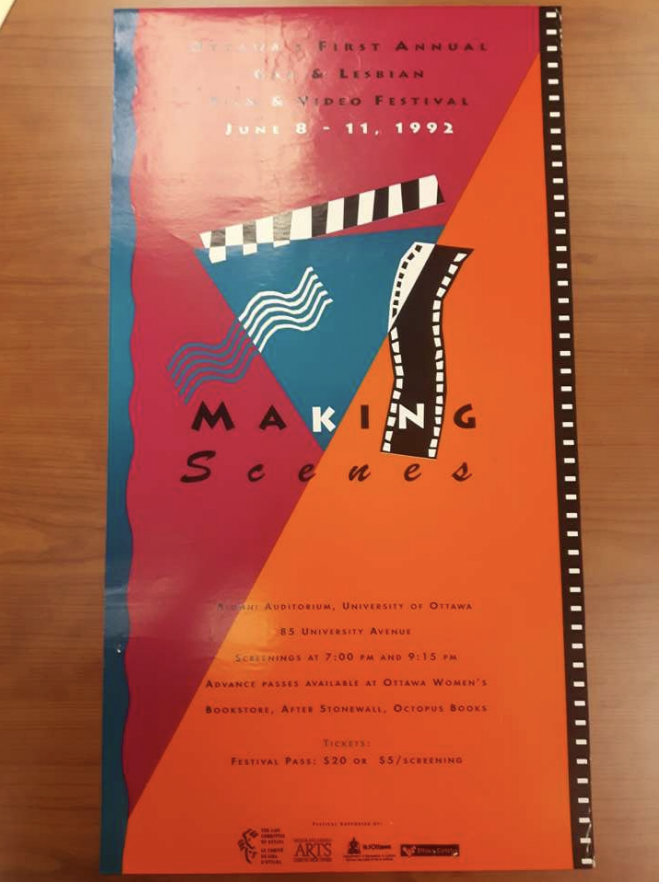
First appeared as part for "Making Scenes" Festival
Created by Allen Brown
Special thanks from ChromaQueer’s Glenn Nuotio to Cooper and Lucy at IFCO in Arts Court for their generous assistance in transferring this Super8 of My Boyfriends into a digital print